Commercial Roof
Insulation Recycling
Disposal Alternatives provides commercial roof insulation recycling for large-scale flat and low-slope roofing projects.
We help roofing contractors, building owners, property managers and project teams divert recyclable rigid foam insulation and roofing materials from landfills while simplifying removal and disposal at the jobsite.
ISO · XPS · EPS · Roofing Membranes
More recycling.
Less landfill.
Our recycling management program is designed for commercial roof replacement and roof removal projects involving warehouses, distribution centers, manufacturing facilities, educational buildings, airport facilities and other large commercial structures.
In many cases,
there are no fees for our services
What Roof Insulation and Roofing Materials Do We Recycle?
We specialize in recycling rigid insulation and roofing materials generated during commercial roofing tear-offs, replacements and removal projects.
Polyiso / ISO Roof Insulation
Polyisocyanurate insulation, commonly called polyiso or ISO, is one of the most widely used rigid insulation materials in commercial roofing systems. Disposal Alternatives provides recycling options for qualifying polyiso roof insulation removed during commercial roofing projects.
XPS / Extruded Polystyrene
Extruded polystyrene (XPS) is a rigid foam insulation board used in roofing and other building applications. We help divert qualifying XPS insulation from traditional landfill disposal through our recycling program.
EPS / Expanded Polystyrene
Expanded polystyrene (EPS) is another lightweight rigid foam insulation material used in commercial roofing assemblies. Qualifying EPS roof insulation can be collected and routed for recycling and reuse.
EPDM, TPO, and PVC Membranes can also be recycled.
Not sure whether your existing roof insulation or membrane can be recycled? Contact us with information about your project and materials.
Recycle Rigid Roof Insulation on Your Next Commercial Roof Replacement
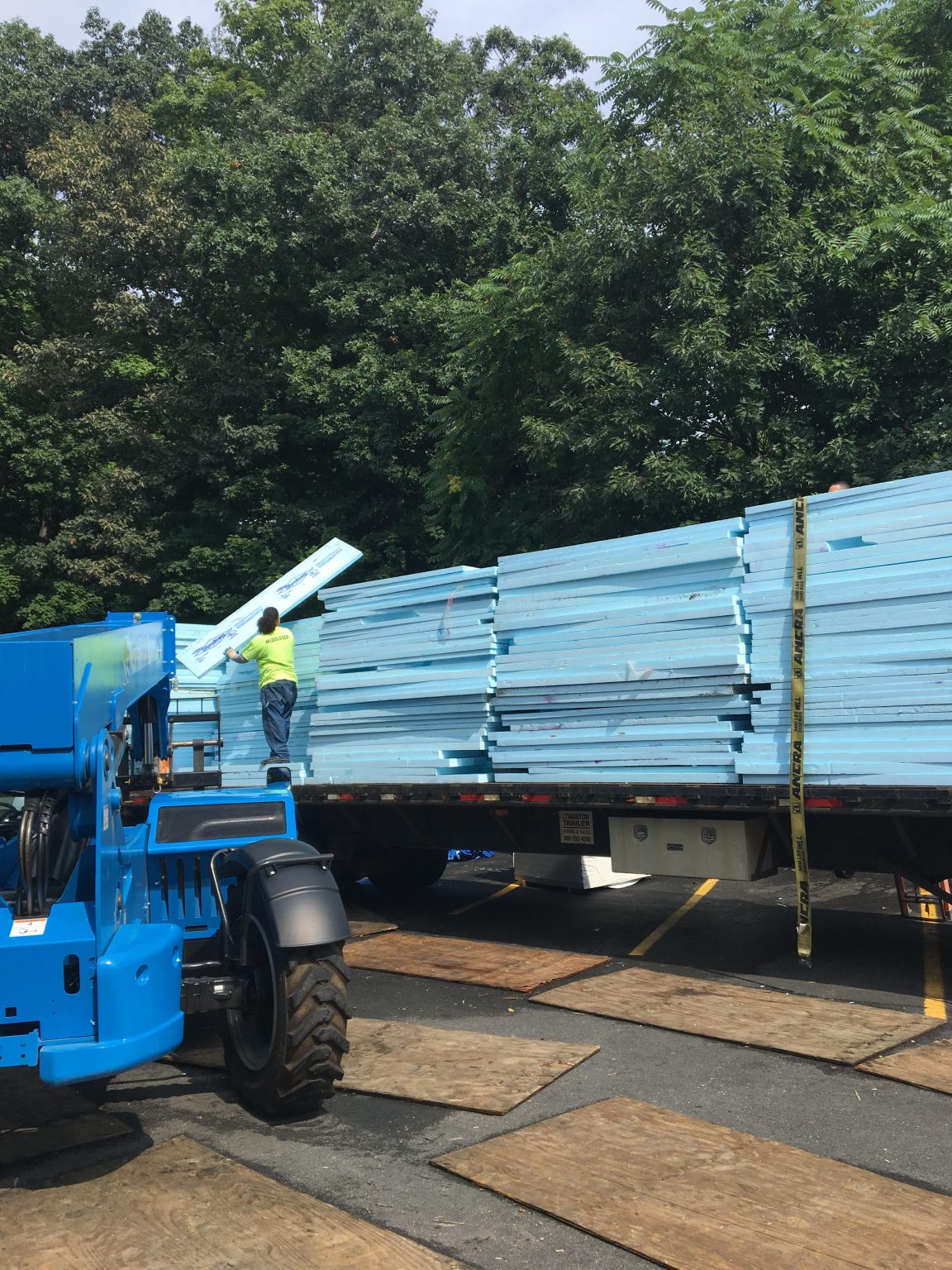
A commercial roof replacement can generate an enormous volume of bulky material. Traditional disposal typically means loading that material into containers, hauling it away and using valuable landfill capacity. In addition, many landfills do not accept this product, or limit the volume that they will accept.
Roof insulation recycling provides another option.
Disposal Alternatives works with project teams to create a recycling management plan for rigid roof insulation. Instead of treating removed insulation simply as construction waste, we identify materials that can be recycled and coordinate their removal from the project site, all at no fee.
The result is a practical commercial roofing waste recycling program designed to reduce reliance on landfill disposal while keeping your roofing project moving efficiently.
How Our Roof Insulation Recycling Program Works
We make roofing tear-off recycling as straightforward as possible for contractors and project teams.
Tell Us About Your Roofing Project
Contact Disposal Alternatives before your commercial roof replacement or removal begins. We’ll discuss the size of the project, location, roofing system and the types and quantities of insulation or membrane being removed.
We Develop a Recycling Plan
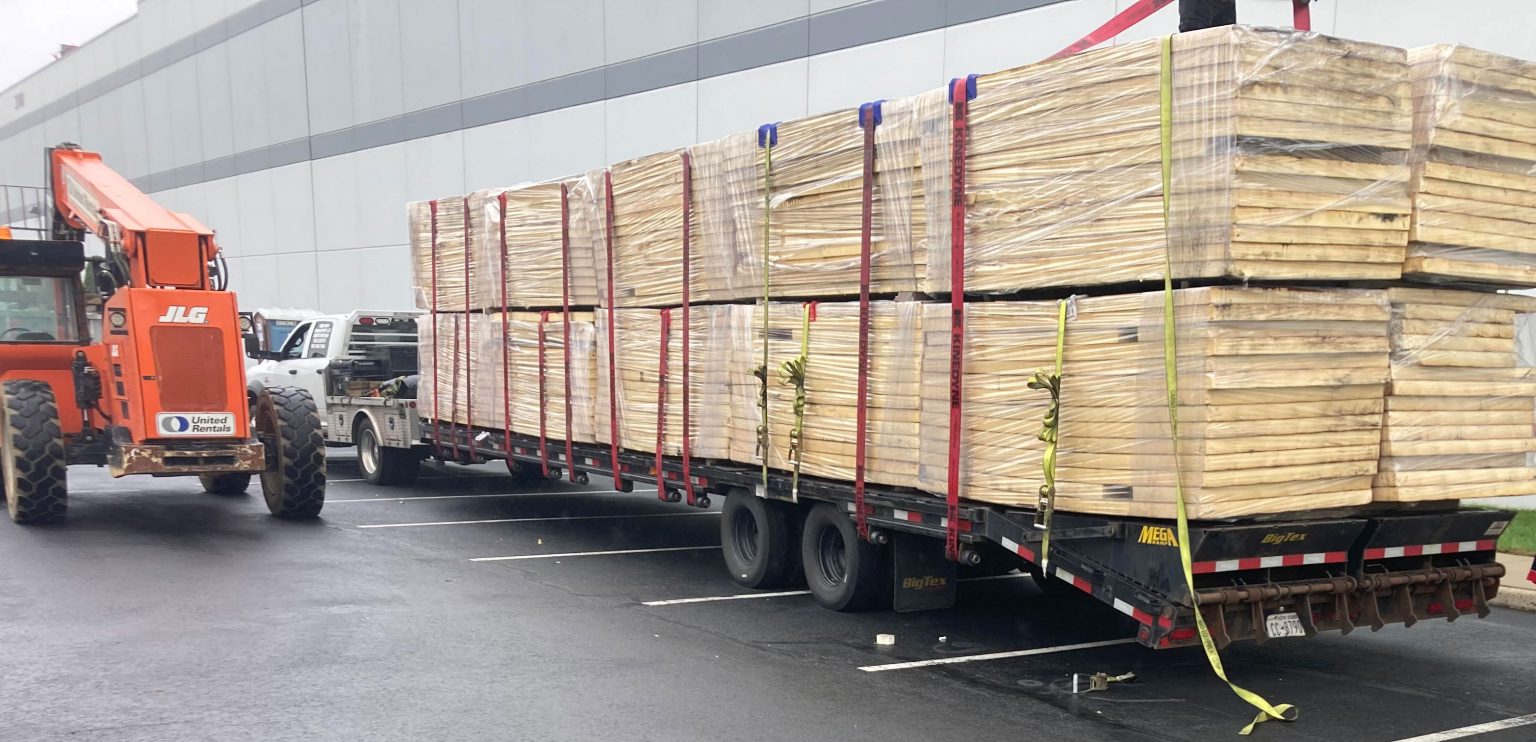
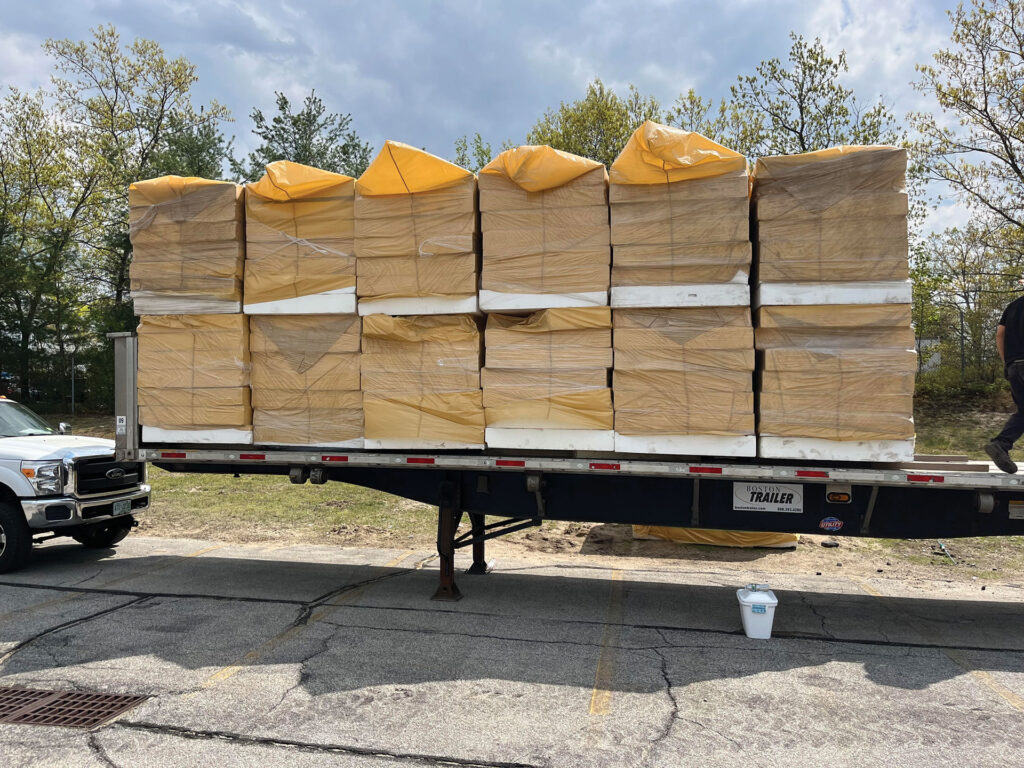
We provide transportation and loading options based on the project. For many projects, we use 40 or 48-foot flatbed trailers to collect rigid insulation.
Remove and Stack the Insulation
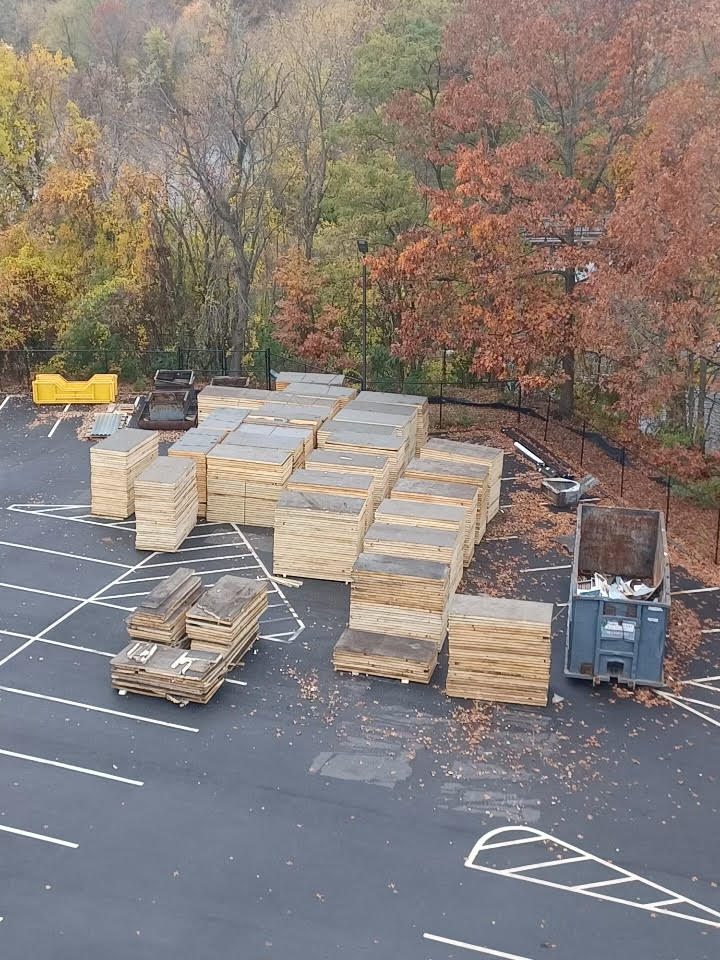
Your roofing crew removes the qualifying insulation and stacks it neatly for efficient loading and transport.
Load the Material
The roofing insulation collected for recycling is loaded onto the flatbed trailer. Our process is designed to integrate recycling into the normal roof-removal workflow rather than create an entirely separate waste-handling operation.
We Coordinate Trailer Removal and Replacement
Our typical method is to live load trailers. Leaving trailers on job sites is also an option, based on volume of material, location, and available equipment
Benefits of Commercial Roof Insulation Recycling
Recycling removed roofing materials isn’t only an environmental decision. For many commercial roofing projects, it can provide practical and financial advantages as well.
Reduce Roofing Disposal Costs
Traditional landfill disposal can be costly, particularly when dealing with high volumes of bulky rigid foam insulation. Recycling provides an alternative waste stream and may reduce the cost of disposing of qualifying roofing materials.
Divert Construction Waste from Landfills
Rigid insulation can consume substantial landfill space. Recycling commercial roof insulation keeps qualifying material in productive use and reduces the amount of roofing tear-off waste sent for landfill disposal.
Streamline Jobsite Material Removal
Our recycling management program coordinates collection and transportation around the needs of the roofing project, helping contractors maintain an efficient workflow during insulation and membrane removal.
Support Sustainable Roofing Projects
For property owners, architects, facilities teams and organizations with sustainability objectives, recycling roof insulation provides a tangible way to reduce construction and demolition waste associated with a reroofing project.
We will provide a certificate of recycling at the completion of the project, documenting material type, volume, location, dates collected, as well as recycling rates.
Strengthen Competitive Roofing Bids
Offering a roofing waste recycling and landfill-diversion option can give contractors another solution to present to building owners, architects and project teams—particularly when sustainability and waste reduction are project priorities.
Contact us before bidding!
Roof Insulation Recycling for Contractors and Commercial Properties
Our recycling services are particularly well suited for:
- Commercial roofing contractors
- General contractors
- Building owners
- Property management companies
- Facilities management teams
- Architects and specifiers
- Sustainability and environmental teams
- Large commercial reroofing projects
- Warehouse and distribution center roof replacements
- Educational and institutional roofing projects
- Industrial and manufacturing facilities
- Airport and transportation facilities
Whether you are planning a complete commercial roof replacement or removing an existing roofing system as part of a larger construction project, talk with us before sending the insulation to a landfill.
Turn Roofing Tear-Off Waste Into a Recycling Opportunity
Every commercial reroofing project creates a choice about what happens to the material being removed.
Disposal Alternatives helps contractors and building owners choose a more productive path for qualifying polyiso, EPS and XPS rigid roof insulation and commercial roofing membranes.
Our goal is simple: make commercial roof insulation recycling practical, cost-effective and easy to incorporate into large flat and low-slope roofing projects.
Have a Commercial Roof Replacement or Removal Project?
Contact Disposal Alternatives when you are submitting a bid for a project, or before your own project begins. Tell us what type of roofing system is being removed, the approximate project size and the insulation or membrane materials involved.
We’ll help determine what can be recycled and how our recycling management program can work with your project.
Typically, there are no fees for our services.



© Disposal Alternatives
Homepage photography sourced via Unsplash: Toni Reed, Erik Mclean, Mitchell Luo, Brian Wangenheim, Pop & Zebra, and Ryan Parker.